
Quick Answer
A valid California will requires you to be at least 18, of sound mind, and have the document signed by two witnesses. Attorney-drafted wills typically cost $300–$1,500; holographic (handwritten) wills cost nothing but carry real risk if done incorrectly.
✓ Key Takeaways
- ✓A valid California will requires two disinterested adult witnesses for typed wills, or the testator's complete handwriting for a holographic will — one procedural error can void the entire document.
- ✓California's probate statutory fees can reach $26,000+ on a $500,000 estate; estates above $184,500 in probatable assets should consider a revocable living trust alongside the will.
- ✓Beneficiary designations on retirement accounts and life insurance override your will entirely — keeping those designations current is as important as the will itself.
- ✓California community property law means you can only will away your half of marital assets — a fact that surprises most married testators drafting their own documents.
- ✓Store your signed will somewhere findable; an unfindable will is legally treated as if it doesn't exist under California law.
A professionally drafted will in California runs $300–$1,500 for a straightforward estate — and skipping one can cost your heirs far more than that in probate fees, which California caps at a sliding scale starting at 4% of the gross estate value. Every year I see families lose months and thousands of dollars because someone assumed a will was optional, or tried to save $400 by handwriting one without understanding the rules. California has specific statutory requirements, and a single misstep — one disqualified witness, one unsigned page — can void the whole document.
Step-by-Step Guide
6 steps · Est. 18–42 minutes
California Will Options: Cost, Requirements, and Best Use Cases
| Will Type | Cost Range | Witnesses Required | Best For |
|---|---|---|---|
| Holographic (handwritten) | $0 | None | Simple estates, single beneficiary, no real property |
| Witnessed typed will (DIY) | $0–$200 | 2 disinterested adults | Straightforward estates with clear beneficiaries |
| Attorney-drafted will | $300–$1,500 | 2 disinterested adults | Most situations — especially real property, children, or business interests |
| Will with revocable living trust | $1,200–$3,500+ | 2 disinterested adults | Estates over $184,500 aiming to avoid probate |
| Online will service | $89–$250 | 2 disinterested adults | Simple estates where you understand what you're doing and don't need legal advice |
What Makes a Will Legally Valid in California?
The general principle is this: California Probate Code §6110 sets out three core requirements for a valid will. The testator (that's you) must be at least 18 years old, of "sound mind" at the time of signing, and the will must be in writing. Beyond that, your signature must appear at the bottom — and two witnesses must sign, acknowledging that you signed the will in their presence.
Here's where people trip up constantly. Your witnesses cannot be "interested parties" — meaning anyone who stands to inherit under the will. I've seen wills thrown out because a well-meaning adult child witnessed the document and was also named as a beneficiary. California Probate Code §6112 doesn't automatically void the will in that case, but it creates a presumption of undue influence that can tie up probate for months.
Quick note: California does not require notarization to make a will valid. That surprises most people. A notary stamp adds no legal weight here — though it can help prove the will wasn't forged later. Worth the $15–$20 if you're already at a notary's office.
The witnesses must be adults (18+), present at the same time when you sign, and generally not related to you by blood or marriage if they're also beneficiaries. Two competent, disinterested adults — a neighbor, a coworker, a friend — are the right call.
Holographic Will vs. Attorney-Drafted Will: Which Route Is Right for You?
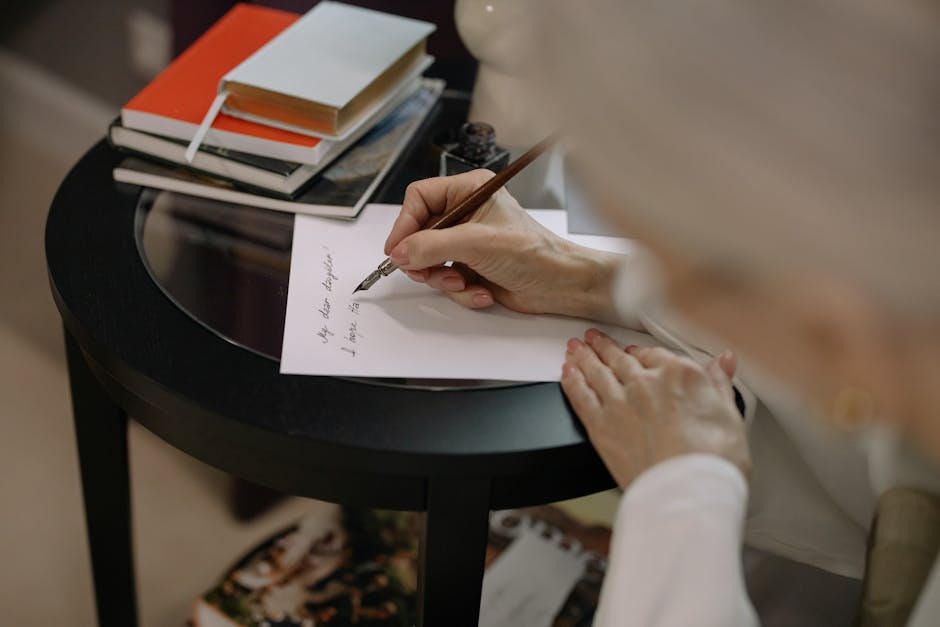
California allows holographic wills — wills that are entirely handwritten and signed by the testator, with no witnesses required. That's governed by California Probate Code §6111. No typing, no printed forms. Every word of the material provisions must be in your own handwriting.
Simple estate, no real property, no minor children, no business interests? A holographic will can work. Example scenario: a single adult with a bank account and personal property leaving everything to one sibling. Total cost: $0. Total time: 30 minutes if done carefully.
Complex estate — multiple beneficiaries, real property, blended family, special needs dependents? Do not rely on a handwritten will. The margin for error is too wide, and courts interpret ambiguous language against the testator's intent more often than people realize.
Honestly, the biggest mistake I see isn't choosing the wrong type of will — it's people mixing the two. They download a printed form, fill in the blanks, and add some handwriting. California courts have repeatedly voided these hybrid documents because the printed portions aren't in the testator's handwriting. Pick one approach and execute it correctly.
| Will Type | Cost Range | Witnesses Required | Best For |
|---|---|---|---|
| Holographic (handwritten) | $0 | None | Simple estates, single beneficiary, no real property |
| Witnessed (typed/formal) | $0–$200 DIY | 2 disinterested adults | Straightforward estates with clear beneficiaries |
| Attorney-drafted will | $300–$1,500 | 2 disinterested adults | Most situations — especially real property, children, or business interests |
| Will with trust (pour-over) | $1,200–$3,500+ | 2 disinterested adults | Estates over $184,500 trying to avoid probate |
What Must Your Will Actually Include?
A California will isn't just about who gets what. Several decisions are baked into the document that most first-timers don't think about until it's too late.
- Executor designation: Name the person responsible for administering your estate. Name a backup. Courts appoint one if you don't — and it may not be who you'd choose.
- Guardian for minor children: If you have kids under 18, this is the most critical part of the entire document. The court gives "great weight" to your written designation under Probate Code §1514.
- Specific bequests: Jewelry, vehicles, sentimental items — name them explicitly if they matter. Generic language like "my personal property" creates disputes.
- Residuary clause: This catches everything not specifically named. Without it, un-specified assets may pass through intestacy — California's default inheritance law — which may not match your wishes.
- No-contest clause: California enforces these under Probate Code §21311 with some limitations. They can deter frivolous challenges but won't stop every dispute.
- Digital assets: Bank accounts, cryptocurrency, social media — California's Revised Uniform Fiduciary Access to Digital Assets Act (RUFADAA) governs these. Name them or at least authorize your executor to access them.
One thing that consistently surprises clients: your will does not control certain assets. Life insurance proceeds, 401(k)s, IRAs, and jointly held property with right of survivorship all pass outside the will entirely. Beneficiary designations on those accounts override whatever your will says.
- Executor designation (with backup)
- Guardian for minor children
- Specific bequests for named items
- Residuary clause covering remaining assets
- No-contest clause (optional but useful)
- Authorization for executor to access digital assets
California-Specific Rules That Trip People Up
California's community property laws make estate planning here more complicated than in most states. In a marriage or registered domestic partnership, each spouse generally owns 50% of any asset acquired during the marriage — regardless of whose name is on the title. You can only will away your half. Misunderstanding this is one of the most common errors I see in self-drafted wills.
The probate threshold matters a lot. As of 2026, California requires formal probate for estates valued above $184,500 in assets that don't pass by beneficiary designation, joint tenancy, or trust. Probate fees in California are set by statute — attorneys and executors each get 4% of the first $100,000, 3% of the next $100,000, 2% on the next $800,000, and so on. On a $500,000 estate, that's roughly $26,000 in combined statutory fees. That's the number that makes people wish they'd set up a living trust alongside the will.
According to the Legal Information Institute at Cornell Law School, California is one of only nine community property states, a distinction that affects how marital assets are characterized and distributed at death. This isn't a technicality — it changes the fundamental analysis of what you can actually give away.
Also worth knowing: California has no state estate tax. The federal estate tax exemption for 2026 is approximately $13.99 million per individual. Most Californians won't owe federal estate tax, but those with high-value real estate portfolios should confirm current thresholds with a CPA or estate attorney.
Timelines and Costs: What to Realistically Expect
A holographic will can be completed in under an hour if you know what you're doing. The risk isn't time — it's execution errors you won't catch until it's too late for you to fix them.
An attorney-drafted will typically takes 1–3 weeks from initial consultation to signed document. Most estate planning attorneys charge flat fees for basic wills: $300–$600 for a single person, $500–$1,000 for a couple, and $1,200–$3,500 or more when a revocable living trust is added to avoid probate. Hourly rates in California run $250–$500/hour depending on location and specialization — LA and Bay Area skew toward the high end.
Online will services (LegalZoom, Trust & Will, similar platforms) typically charge $89–$250 for a basic will package. These are legitimate for uncomplicated situations but provide no legal advice — you're answering questions and generating a document, not getting counsel.
One timeline note that rarely gets mentioned: after you sign the will, store it somewhere findable. A will that can't be located at death is treated as if it doesn't exist under California law. A fireproof home safe or your attorney's office are both reasonable options. Some counties allow you to deposit a will with the Superior Court for a nominal fee — in Los Angeles, that's currently around $25.
Before You Sign: A 5-Step Execution Checklist
The signing ceremony for a will sounds formal, but it's actually the moment where avoidable errors happen most often. Follow this in order.
- Step 1 — Finalize the document completely before anyone picks up a pen. No blanks, no "fill this in later." Alterations after signing require a formal codicil or a new will.
- Step 2 — Confirm your witnesses are disinterested. They cannot be beneficiaries, spouses of beneficiaries, or anyone with a financial interest in the estate.
- Step 3 — Sign at the end of the document in the presence of both witnesses simultaneously. Both witnesses must watch you sign — not sign later "on your behalf."
- Step 4 — Have witnesses sign immediately after you, in your presence and in each other's presence. Both must sign on the same day as your signing.
- Step 5 — Consider a self-proving affidavit. This isn't required in California but can streamline probate by confirming the will's authenticity without requiring witnesses to testify in court later.
Per the Justia legal database, California courts have consistently required strict adherence to Probate Code §6110's execution requirements — meaning good intentions don't fix procedural defects after the testator has died.
This is general information, not legal advice. Laws vary by state and individual circumstances differ. Consult a licensed California estate planning attorney before executing any estate planning documents.
- Step 1 — Finalize the document completely before signing
- Step 2 — Confirm witnesses are disinterested
- Step 3 — Sign at the end in the presence of both witnesses
- Step 4 — Have both witnesses sign immediately after you
- Step 5 — Consider adding a self-proving affidavit
The one question to ask any California estate planning attorney before hiring them: 'Will my estate need to go through probate as written, and if so, what will it cost under the statutory fee schedule?' Their answer — and how specifically they answer it — tells you everything about whether they're right for your situation.
Frequently Asked Questions
Can I write my own will in California without a lawyer?
Yes. California allows both holographic (handwritten) and self-drafted typed wills without attorney involvement. For simple estates with no real property, no minor children, and no complex beneficiary arrangements, a correctly executed DIY will can be legally valid. Anything more complicated — real estate, blended families, business interests — warrants professional help.
Does a will in California have to be notarized?
No. California does not require notarization for a will to be valid. What's required is two adult, disinterested witnesses for a typed will, or the testator's own handwriting throughout for a holographic will. Notarization can help establish authenticity later, but it's optional.
How long does probate take in California?
Simple California probate typically takes 9–18 months. Contested estates or those with unclear documentation can run 2–3 years. The statutory fee structure means attorneys and executors are both paid a percentage of the gross estate — not the net — which surprises most heirs.
What happens if I die without a will in California?
Your estate passes under California's intestate succession laws — generally to a spouse first, then children, then other relatives in a defined order. Unmarried partners, close friends, and stepchildren typically receive nothing under intestacy, regardless of your actual wishes.
Does a California will cover everything I own?
No. Retirement accounts, life insurance policies, and accounts with named beneficiaries all pass outside the will. Jointly held property with right of survivorship also transfers automatically at death. These assets are governed by beneficiary designations, not your will — and mismatched designations are a very common estate planning problem.
How often should I update my will in California?
Review your will any time you experience a major life change — marriage, divorce, birth of a child, significant change in assets, or death of a named beneficiary or executor. California automatically revokes bequests to a former spouse upon divorce under Probate Code §6122, but that doesn't update the rest of the document for you.
The Bottom Line
A will is not a document you draft and forget. California's probate system is expensive enough — and community property law complex enough — that a will executed correctly now saves your family real money and genuine heartache later. The difference between a $400 attorney visit and a $26,000 probate bill isn't hypothetical. I've watched it play out dozens of times.
Before you call anyone, work through this checklist: 1) Inventory your assets and identify which pass through a will vs. beneficiary designation. 2) Decide whether your estate size and complexity warrants a living trust alongside the will. 3) Identify two disinterested adults who can serve as witnesses. 4) Choose an executor and a backup. 5) Consult a California estate planning attorney — most offer free 30-minute consultations, and a basic will package is often less than you expect.
Sources & References
- California is one of nine community property states, which affects how marital assets are characterized and distributed at death — Legal Information Institute, Cornell Law School
- California courts require strict adherence to Probate Code §6110's execution requirements — procedural defects cannot be corrected after the testator's death — Justia Legal Information
Written by
David KimParalegal & Legal Content Specialist
David is a certified paralegal with 10 years of experience across family law, personal injury, and business litigation. He writes to translate legal complexity into plain English that empowers people to make informed dec...
See all articles →